
Matrix Synapse
Step into the Matrix, where the future of chatter is not just bulletproof, but decentralised to boot! This app is your golden ticket to gabbing with pals, kin, digital tribes, and office allies in a virtual space that's as snug as a bug in a rug. Wave goodbye to the digital overlords and hello to a world where you're the architect of your own cyber sanctuary. Fancy yourself a bit of a builder? Go wild creating snazzy, sophisticated chat apps atop the mighty Matrix. Part of a bustling bazaar of clients, servers, and robotic minions (we mean bots), this open-source extravaganza is snugly housed on RepoCloud, where your wallet won't weep over hosting fees. So, whether you're itching to gab, code, or conquer the universe of decentralised discourse, Matrix is your trusty sidekick in the quest for communication liberation!
Pidgin
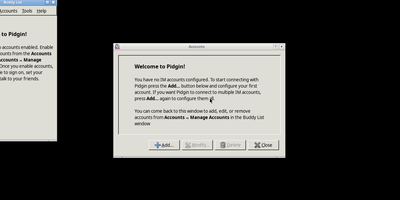
Get ready to juggle your social life like a circus pro with Pidgin, the chat app that's like a Swiss Army knife for your digital conversations! Imagine being the puppet master of your chat universe, where you can simultaneously whisper sweet nothings into XMPP and gossip in an IRC channel without breaking a sweat. Pidgin is your VIP pass to the who's who of chat networks, including the cool kids like Discord and Slack, the old guard like ICQ, and even the elusive Skype and Telegram. It's like having a backstage pass to every concert in town! With a treasure trove of default and third-party plugins, Pidgin is like that friend who always brings the best snacks to the party. And with Firefox on board, you'll be solving captchas like a riddle master before you even enter the chat room. Just hop onto http://yourhost:3000/ or for the security enthusiasts, https://yourhost:3001/, and let the chatstravaganza begin! Hosted on RepoCloud, you'll be chatting more and paying less, because who says you can't have your cake and eat it too? So, let's get the digital party started with Pidgin, where every chat network is just a click away!
NodeBB
Forum software rebuilt on the modern web stack: NodeBB runs the classic bulletin-board format - categories, threads, local accounts - in real time, on Node.js over MongoDB, Redis, or PostgreSQL. WebSockets stream new posts into open topics as they're written and deliver instant notifications for follows, likes, and subscriptions; built-in chat supports side-by-side private conversations. The headline of recent versions is core ActivityPub federation: your forum can follow, share, and converse with other NodeBB instances, Mastodon, Lemmy, and anything else that speaks the protocol, turning an isolated community into a fediverse node. Everything beyond the common core is a plugin - more than 500 plugins and themes install in one click from the admin panel, covering SSO providers, search backends like Elasticsearch and Solr, galleries, calendars, and more. The theming engine extends base templates with SCSS/CSS on Bootstrap 5, plus a drag-and-drop widget system and custom HTML/CSS/JS injection. Operators get a real-time analytics dashboard, human-readable SEO-friendly URLs with semantic markup, multilingual UI, and full read and write REST APIs for integration. Mobile-first rendering means the same install works everywhere. For communities that outgrew phpBB but don't want Discourse's weight, NodeBB is the natural middle.