Developer links
Cockpit
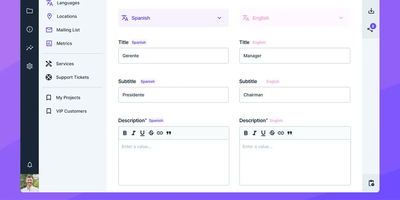
Built by an agency in 2011 and refined by real client work since, Cockpit is a headless CMS whose pragmatism is earned. It's a pure content backend: model your data, let editors manage it, and fetch it over REST or GraphQL from any frontend - React, Vue, Flutter, a static site generator, or an IoT dashboard. Content modeling covers three shapes: Collections for repeatable items (posts, products, events), Singletons for one-off content (settings, about pages), and Trees for hierarchies (navigation, categories), all assembled from 20+ field types including relationships. The API layer is unusually capable: MongoDB-style query filtering, field selection to trim payloads, automatic image optimization through the assets API, and built-in caching. Localization is first-class with per-field multi-language content and fallback support; user management includes roles, granular permissions, two-factor authentication, and API tokens; and webhooks push changes into external workflows. Agencies get multi-tenant Spaces - several sites or clients from one installation. The operational footprint is refreshingly small: PHP plus either SQLite or MongoDB, no build steps, no toolchain, extensible through hooks, events, and addons (pages/SEO, forms, full-text search, layout components). Where enterprise headless platforms bill per seat and per locale, Cockpit is MIT-licensed and simply yours.
Benefits
- Content Sovereignty
- Your models, your data, your server - no per-seat or per-locale platform pricing.
- Any Frontend, Any Channel
- REST and GraphQL feed websites, mobile apps, and devices from one content hub.
- Tiny Operational Footprint
- PHP with SQLite or MongoDB, no build steps - running in under five minutes.
- Agency-Ready
- Multi-tenant Spaces serve multiple clients and sites from a single installation.
Features
- Three Content Shapes
- Collections, Singletons, and Trees built from 20+ field types with relationships.
- Query-Capable APIs
- MongoDB-style filters, field selection, and caching over REST and GraphQL.
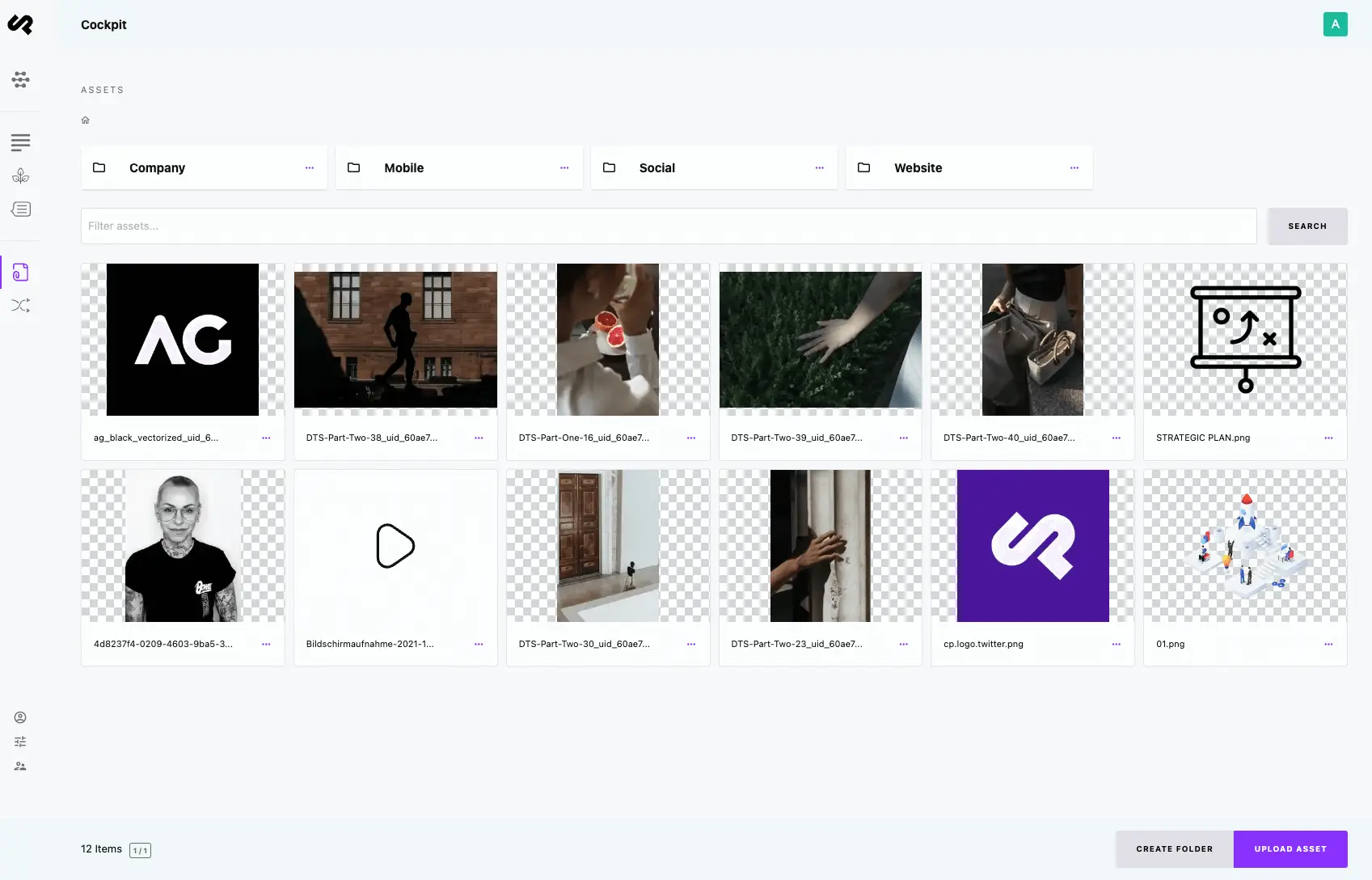
- Assets and Image API
- Upload management with automatic image optimization and thumbnails.
- Localization
- Per-field multi-language content with fallback support.
- Roles, Tokens, 2FA
- Granular permissions and API authentication for teams.
- Webhooks and Addons
- Real-time integrations plus pages, forms, search, and layout extensions.